
The Only Cast Iron Care Guide You Will Ever Need
Here’s the thing about a good cast iron pan: It’s built to last longer than your favorite wooden spoon and, if treated right, will outlive most of the gadgets cluttering your kitchen cupboards. This is why, today, I’d like us to spend a moment on running through this Cast-Iron Care Guide.

A well-seasoned skillet isn’t just heavy-duty cookware. It’s a workhorse with superior heat retention, a smooth cooking surface, and the kind of personality that just gets better with age. It’s also one of the best ways to bring a bit of old-school kitchen magic back into your home.
My own love affair with cast iron started with a very inexpensive cast-iron skillet I found at my local shops. And after an initial learning curve of rust spots, dull surface, and a few battle scars later, it became my new favorite pan.
With a little extra care and the right way to clean and season it, that pan turned into the ultimate kitchen partner. Whether I’m roasting veggies, making yet another batch of pancakes, or pan-frying crispy potatoes – nothing beats the sizzle of a hot pan seasoned just right.
And despite what you might see on social media, cast iron cookware isn’t hard to care for. It just needs a little patience, some elbow grease, and the proper steps. Once you get into the rhythm, it becomes second nature. I mean, seriously, your cast-iron pan doesn’t even like water! Isn’t this just the ideal thing for anyone already drowning in dishes?
So let’s get into it. This isn’t just a “wipe and hope for the best” situation. This Cast-Iron Care Guide is your no-nonsense, real-life plan for keeping your skillet in tip top shape so you can pass it down just like your grandma did.
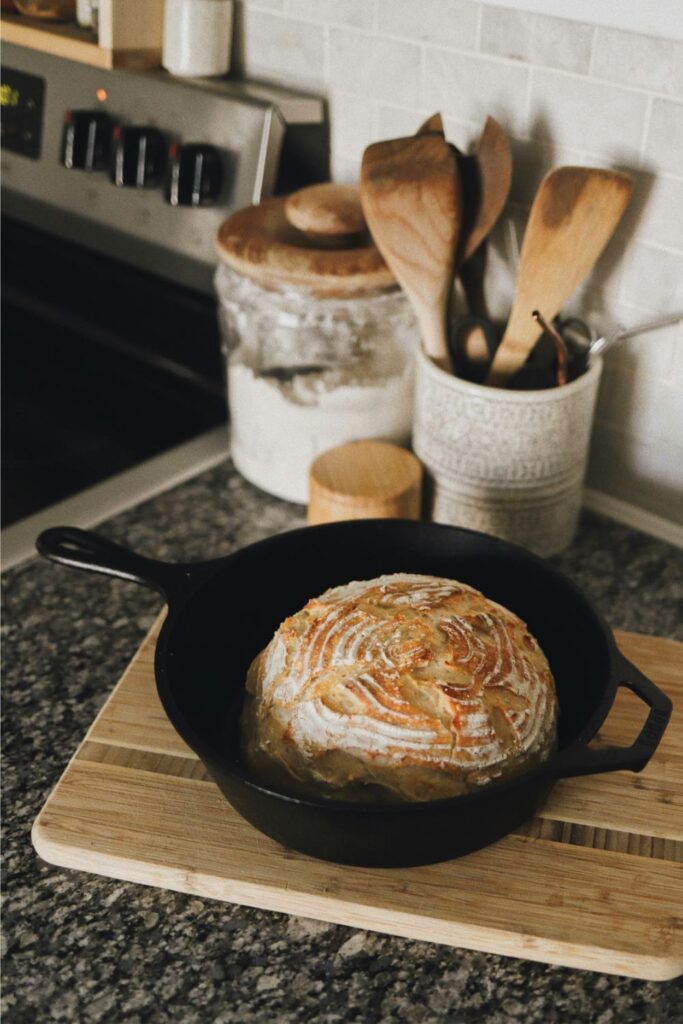
How do you take care of your cast iron?
The most important thing is to protect that precious layer of seasoning. After cooking, let the pan cool just a little (not completely), wipe away excess oil or food bits, and clean it with either a stiff brush, a chain-mail scrubber, or a dobie sponge.
Add a sprinkle of kosher salt or a few drops of warm water if needed. Then dry it thoroughly with a clean tea towel or over low heat and finish with a very light layer of neutral cooking oil if the pan has lost its shine. Regular use builds up a nonstick surface over time, so the more you cook, the better it gets.
Do I need to wash cast iron after every use?
Yes, but gently. A little soap or even a drop of dish soap won’t ruin your pan’s seasoning layer, despite what everyone says. But soaking it in cold water is a big no. That’s how rust problems start. Just wipe, rinse quickly, scrub gently, and dry on low heat or with a good dish towel.
Do cast iron pans need to be oiled?
Yes. Oiling after cleaning is one of the simple steps that keeps your pan slick and smooth. Use a small amount of oil and spread it evenly over the entire surface while the skillet is still warm. This maintains that protective layer and prevents moisture from sneaking in.
What are common cast iron cleaning mistakes?
Soaking it in the sink, using abrasive cleaning methods like harsh scouring pads, or leaving it wet are the top offenders. Scrubbing too hard or using too much soap can strip away seasoning and leave your pan exposed.
And please, don’t ever put your cast iron on the top rack of a dishwasher. Cast iron isn’t dishwasher-safe cookware, no matter what the latest TikTok video says.
Is cast iron ruined if I wash it with soap?
No, not if it’s done the right way. A little soap with warm water on a well-seasoned skillet is fine. A pan with a strong seasoning layer can handle it. What matters is drying it completely and reapplying oil right after to keep it nice and protected.
Supply List: What You Need
- Your trusty cast iron pan (or dutch oven)
- Stiff brush, chain-mail scrubber, or dobie sponge
- Kosher salt
- Mild soap (a drop of dish soap if needed)
- Soft cloth or paper towel
- Neutral cooking oil (like grapeseed or vegetable oil)
- Stove or oven for drying and seasoning
Step-by-Step: The Best Way to Clean and Season
- Let the pan cool
Don’t attack a hot pan right after cooking your great cast-iron dishes. Let the pan cool slightly, but don’t let it sit too long. - Remove food bits
Wipe away any leftover food bits or excess oil using a paper towel or cloth. If it’s fried chicken night and you’ve got stubborn stuck-on food, grab a pan scraper or sprinkle kosher salt on it with a little water. - Gentle cleaning
Use your stiff brush, sponge or scrubber with a small amount of soap (if needed). A few drops of warm water help loosen everything up. - Rinse smart
Rinse quickly with warm water. No soaking. Cold water on a hot pan can cause thermal shock and damage the seasoning layer. - Dry thoroughly
Dry the pan with a good quality dish towel, then place it on low heat to evaporate any water droplets hiding in the porous surface. - Oil it lightly
Add a very light layer of cooking oil. Too much oil can get sticky. Use a paper towel to coat the entire surface. - Heat to seal
Place the pan over low to medium heat or in the oven at around 180°C on a large baking sheet lined with aluminum foil to catch drips. This step bonds the oil to the surface, strengthening the protective layer. - Store properly
Once your dry skillet cools, store it in a dry place with good airflow. If stacking, put a cloth between pans to protect the surface.
Why You’ll Love This
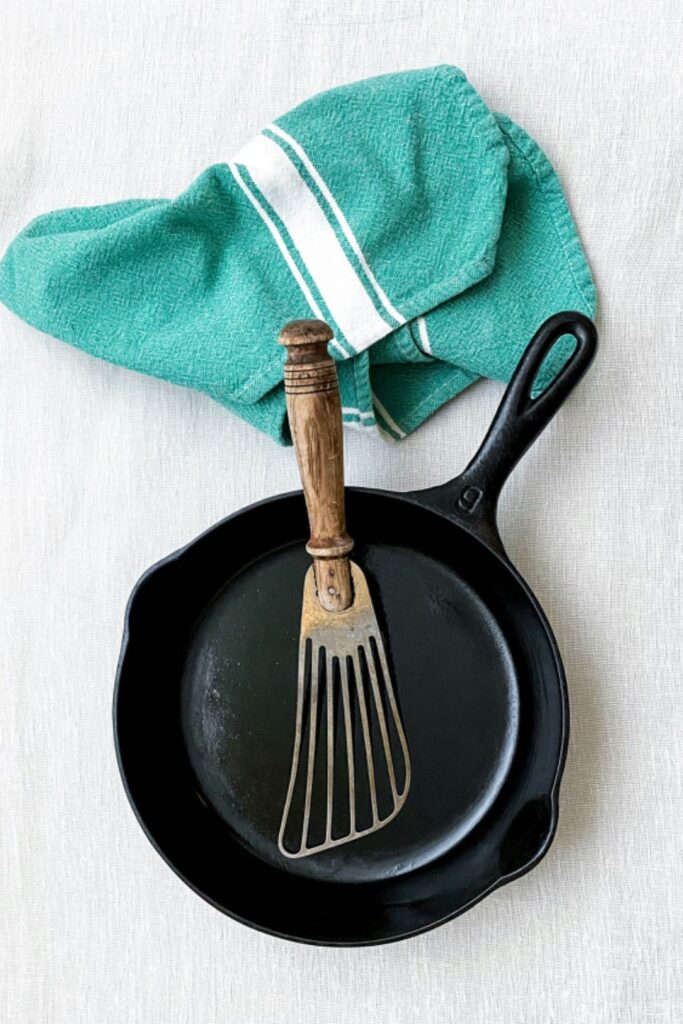
This Cast-Iron Care Guide is about making things easier, not harder. With just a few simple steps, you can turn any new pan (or even a sad, rusty one) into a superstar. Once you get the hang of it, you’ll find your cast iron has a smooth surface that rivals modern nonstick pans. But unlike trendy gadgets, this one ages gracefully.
A well-seasoned skillet is a kitchen powerhouse. You can cook at high temperatures without worry, get that superior roast chicken or crispy potatoes, and feel like a proper old-school home cook while doing it. Plus, proper care means less stress, less scrubbing, and more flavor.


Tips & Tricks
- If you ever spot rusty spots, don’t panic. A little elbow grease and reseasoning can bring any vintage cast iron back to life.
- Regular use is your friend. The more you cook, the better that seasoning layer gets.
- A little extra care after each use goes a long way. Skip the soaking and embrace the quick dry and oil routine.
- If you’re restoring a new cast iron skillet, the initial seasoning may need a few rounds before it behaves like your grandma’s.
- Cast iron isn’t fragile like some carbon steel or stainless steel pans. It’s built for a long time.

Easy Substitutions & Allergy Options
- If vegetable oil isn’t your thing, neutral cooking oil like avocado or grapeseed is a good option.
- Sensitive to soap? Skip it. Kosher salt and a little water will do the trick just fine.
- If you can’t get your hands on a chain-mail scrubber, a soft brush or pan scraper works perfectly.
Learning how to season cast iron and clean it properly isn’t about perfection. It’s about building a little kitchen ritual that rewards you with a nonstick surface that only gets better over time. Whether it’s your grandma’s old skillet or your first ever cast iron from the shop, proper care is the main goal.
Take it from me: Once you understand the basics of your cast iron care guide, that skillet becomes more than just a pan. It becomes a part of your cooking story. And that’s where the real flavor lives.
